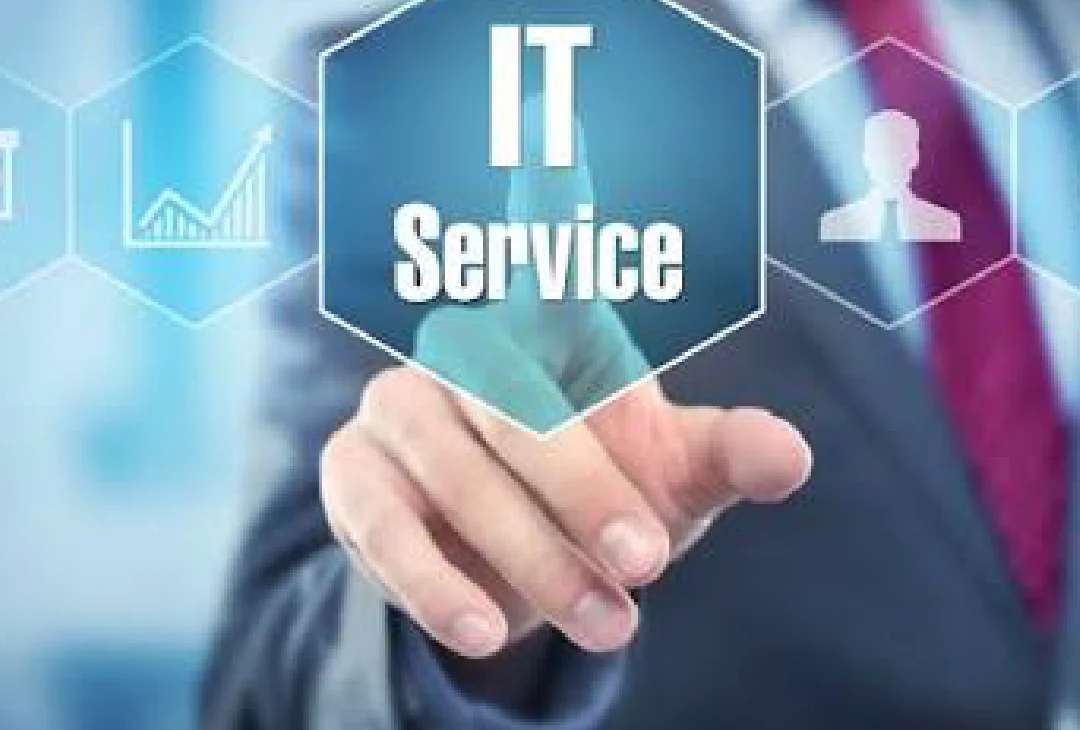
Technology has become the backbone of nearly every modern business, making reliable IT services more important than ever. Whether you’re a startup, a growing company, or a large enterprise, professional IT services help keep your systems secure, improve productivity, reduce downtime, and support long-term business growth. Instead of constantly dealing with technical issues, organizations can focus on serving customers and expanding their operations.
Today’s IT services go far beyond fixing computers. They include cloud computing, cybersecurity, network management, data backup, software deployment, technical support, and strategic IT consulting. As businesses continue adopting artificial intelligence, remote work, and cloud-based applications, investing in the right technology partner has become essential rather than optional.
This guide explains everything you need to know about IT services, including the different types available, their business benefits, how to choose the right provider, and the latest technology trends shaping 2026.
Table of Contents
- What Are IT Services?
- Why Businesses Need Professional Technology Support
- Main Types of IT Services
- Managed IT Support
- Cloud Computing Solutions
- Cybersecurity Solutions
- Network Infrastructure Management
- Data Backup and Disaster Recovery
- IT Consulting
- Latest Trends in Business Technology
- Comparison Table
- How to Choose the Right Provider
- Pros and Cons
- Conclusion
- FAQs
What Are IT Services?
IT services are professional technology solutions designed to help businesses manage, maintain, secure, and optimize their digital infrastructure. These services cover everything from hardware installation and software management to cybersecurity, cloud computing, network administration, and technical support.
Rather than hiring a large in-house IT department, many organizations partner with specialized providers who deliver ongoing monitoring, maintenance, and expert assistance. This approach gives businesses access to experienced professionals without the cost of building an extensive internal team.
Professional technology support can include:
- Computer maintenance
- Software installation
- Cloud migration
- Network monitoring
- Security management
- Data backup
- Help desk support
- Technology consulting
- Disaster recovery planning
Businesses of every size benefit from dependable technology management because it improves efficiency while minimizing costly disruptions.
Why Businesses Need Professional Technology Support
Every organization relies on technology to communicate, store information, serve customers, and complete daily tasks. Even a short period of downtime can result in lost revenue, frustrated customers, and reduced productivity.
Working with experienced technology specialists helps businesses:
- Reduce unexpected downtime
- Protect sensitive business information
- Improve employee productivity
- Respond quickly to technical problems
- Scale technology as the business grows
- Lower long-term operational costs
- Maintain compliance with security standards
Reliable support also allows business owners to focus on strategy and growth instead of constantly solving technical problems.
https://www.microsoft.com/
Main Types of IT Services
Technology providers offer a wide range of solutions depending on business size and industry requirements.
The most common categories include:
Managed IT Support
Managed support provides continuous monitoring and maintenance instead of waiting for equipment or software to fail.
Typical managed support includes:
- 24/7 system monitoring
- Remote troubleshooting
- Operating system updates
- Security patch management
- Performance monitoring
- Device management
- Preventive maintenance
This proactive approach reduces downtime while improving system reliability.
Cloud Computing Solutions
Cloud technology allows businesses to store files, run applications, and collaborate from virtually anywhere.
Cloud solutions often include:
- Cloud storage
- Virtual servers
- Microsoft 365 deployment
- Google Workspace setup
- Cloud backup
- Cloud migration
- Infrastructure management
Cloud platforms also improve flexibility by supporting remote and hybrid work environments.
Cybersecurity Solutions
Cybersecurity is one of the fastest-growing areas of modern business technology. As cyberattacks become more sophisticated, companies need strong security measures to protect customer information, financial records, and confidential business data.
Professional security solutions help organizations identify vulnerabilities before attackers can exploit them. Instead of reacting to threats after they occur, businesses can take a proactive approach that reduces risk and improves compliance.
Common cybersecurity solutions include:
- Firewall management
- Endpoint protection
- Multi-factor authentication (MFA)
- Email security
- Security monitoring
- Vulnerability assessments
- Penetration testing
- Security awareness training
Strong cybersecurity not only protects data but also strengthens customer trust and business reputation.
Network Infrastructure Management
A stable and secure network is essential for day-to-day operations. Poor network performance can slow employees, interrupt communication, and reduce overall productivity.
Network management typically includes:
- Router configuration
- Switch management
- Wi-Fi optimization
- VPN setup
- Network monitoring
- Performance analysis
- Bandwidth optimization
- Troubleshooting connectivity issues
Businesses that regularly monitor their networks experience fewer outages and better overall system performance.
Data Backup and Disaster Recovery
Unexpected events such as hardware failures, ransomware attacks, accidental deletion, or natural disasters can lead to significant data loss. Having a reliable backup strategy ensures important files can be restored quickly.
An effective disaster recovery plan usually includes:
- Automatic backups
- Cloud storage
- Local backup copies
- Encrypted data storage
- Recovery testing
- Business continuity planning
Regular backups reduce downtime and help organizations recover faster during emergencies.
IT Consulting
Technology investments should support long-term business goals rather than simply solving short-term problems. IT consulting helps organizations evaluate existing systems, identify weaknesses, and plan future improvements.
Consulting services often include:
- Digital transformation planning
- Infrastructure assessments
- Software recommendations
- Cloud migration strategies
- Budget planning
- Security assessments
- Technology roadmaps
Working with experienced consultants enables businesses to make informed decisions while avoiding unnecessary technology expenses.
Latest Trends in Business Technology for 2026
Technology continues to evolve rapidly, and businesses that stay updated often gain a competitive advantage.
Artificial Intelligence Integration
AI-powered automation is improving customer support, data analysis, and workflow efficiency. Many organizations now use AI to automate repetitive tasks and generate valuable business insights.
Hybrid Cloud Environments
Instead of relying on a single cloud provider, many companies combine public and private cloud platforms to improve flexibility, performance, and security.
Zero Trust Security
Organizations are moving toward Zero Trust security models, where every user and device must be verified before accessing business resources. This approach significantly reduces security risks.
Remote Work Technology
Remote and hybrid work remain common in 2026. Businesses continue investing in collaboration platforms, secure remote access, cloud storage, and communication tools to support distributed teams.
In-House Team vs Managed Technology Provider
| Feature | In-House Team | Managed Provider |
|---|---|---|
| Initial Cost | High | Lower |
| Monthly Expenses | Higher | Predictable |
| 24/7 Monitoring | Limited | Usually Included |
| Security Expertise | Depends on Staff | Dedicated Specialists |
| Scalability | Moderate | Excellent |
| Software Updates | Internal Responsibility | Managed Automatically |
| Disaster Recovery | Varies | Often Included |
| Technical Expertise | Limited to Employees | Broad Industry Experience |
For many small and medium-sized businesses, partnering with a managed provider offers better value by providing access to experienced specialists without the expense of maintaining a large internal team
How to Choose the Right Provider
Selecting the right technology partner requires careful evaluation. Instead of focusing only on pricing, consider the provider’s experience, responsiveness, security expertise, and ability to support your future growth.
Questions to ask include:
- Do they provide 24/7 support?
- What cybersecurity protections are included?
- Can their services scale with your business?
- Do they have experience in your industry?
- What are their average response times?
- Are Service Level Agreements (SLAs) included?
- How do they handle data backups and disaster recovery?
- Can they provide client references or case studies?
Choosing a provider with proven expertise helps ensure your technology infrastructure remains reliable and secure.
Pros and Cons
Pros
- Improves business efficiency through proactive technology management.
- Reduces downtime with continuous monitoring and maintenance.
- Strengthens cybersecurity against evolving threats.
- Provides access to experienced technology professionals.
- Scales easily as business requirements grow.
- Supports cloud computing and remote work environments.
- Predictable monthly costs with managed support plans.
- Includes reliable backup and disaster recovery options.
- Faster problem resolution through dedicated technical support.
- Allows businesses to focus on growth instead of technology issues.
Cons
- Monthly service fees may be challenging for very small businesses.
- Service quality depends on the provider’s expertise.
- Initial migration to a new provider may require planning.
- Some advanced enterprise solutions cost more than basic support packages.
- Businesses should carefully review service agreements before signing long-term contracts.
Final Thoughts
Reliable IT services have become essential for organizations that want to remain secure, productive, and competitive in today’s digital landscape. From cybersecurity and cloud computing to network management and technical support, professional technology solutions help businesses reduce downtime while improving operational efficiency.
Choosing the right provider is about more than fixing technical issues. A trusted technology partner should help your organization plan for future growth, strengthen security, optimize infrastructure, and support employees with dependable systems. Businesses that invest in proactive technology management often experience fewer disruptions and better long-term performance.
Whether you’re a startup looking for affordable support or a large company planning a digital transformation, selecting high-quality IT services can improve reliability, protect valuable data, and create a strong foundation for future success.
Frequently Asked Questions (FAQs)
1. What are IT services?
IT services are professional technology solutions that help businesses manage computers, software, networks, cybersecurity, cloud systems, and technical support.
2. Why do businesses need IT services?
Businesses rely on IT services to improve productivity, strengthen security, reduce downtime, protect business data, and ensure employees have reliable access to technology.
3. What is included in managed technology support?
Managed support typically includes system monitoring, software updates, security management, cloud administration, technical assistance, network monitoring, and regular maintenance.
4. How do cloud solutions benefit businesses?
Cloud solutions provide secure data storage, remote access, improved collaboration, automatic backups, and greater flexibility while reducing hardware maintenance costs.
5. How can I choose the right technology provider?
Look for a provider with proven experience, strong cybersecurity expertise, fast response times, scalable solutions, transparent pricing, and positive customer reviews.