
In today’s fast-moving digital economy, digital wallets have become more than just a convenient way to pay. From online shopping and bill payments to international transfers and contactless purchases, wallets like PayPal, Apple Pay, Google Wallet, and others play a critical role in how money moves.
But beyond the sleek interfaces and one-tap payments lies something far more important — digital wallet security and payment infrastructure. While most users focus on ease of use, the real question is: how secure and reliable are these systems behind the scenes?
This article takes a deep dive beyond the surface to explore how modern digital wallets protect user data, process payments, and ensure trust in an increasingly digital financial world.
Understanding Digital Wallet Security and Payment Infrastructure
At its core, a digital wallet is a combination of software, encryption technologies, and payment networks that work together to store sensitive information and process transactions securely.
The digital wallet security and payment infrastructure includes:
- Data encryption systems
- Authentication mechanisms
- Tokenization technology
- Backend payment gateways
- Compliance with global financial regulations
All these layers operate silently in the background, ensuring that users can pay quickly without compromising security.
How Top Digital Wallets Secure User Data
1. Advanced Encryption Standards
Most leading digital wallets use end-to-end encryption, which means user data is encrypted the moment it’s entered and remains protected throughout the transaction process. Even if intercepted, encrypted data is nearly impossible to decode without proper authorization.
This encryption plays a vital role in strengthening digital wallet security and payment infrastructure, especially during online and cross-border transactions.
2. Tokenization: Replacing Sensitive Information
Instead of storing actual card numbers, wallets often use tokenization. A unique digital token replaces sensitive card details, ensuring that merchants never access real financial data.
This reduces fraud risks significantly and has become a standard feature among top digital wallets worldwide.
3. Multi-Factor Authentication (MFA)
Security doesn’t rely on passwords alone anymore. Most wallets now use:
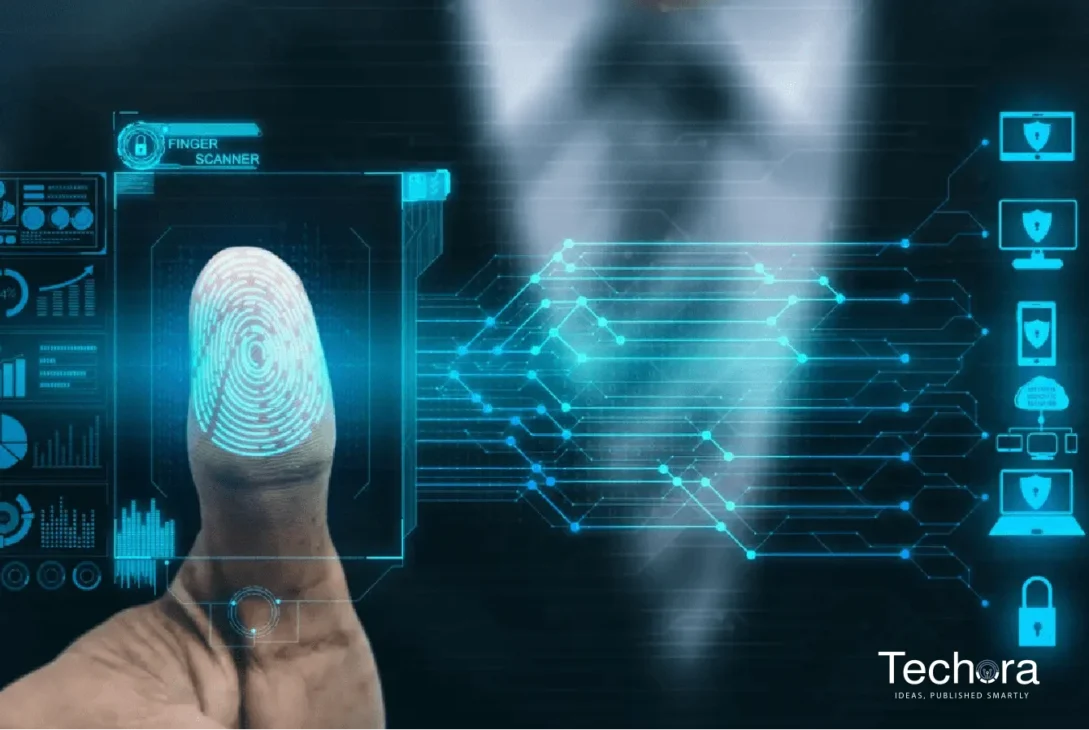
- Biometric authentication (fingerprint or face recognition)
- One-time passwords (OTP)
- Device-based verification
These measures add an extra layer of protection, making unauthorized access extremely difficult.
Payment Infrastructure: What Happens After You Tap “Pay”?
While the user sees a simple confirmation screen, a complex system works in milliseconds behind the scenes.
1. Payment Gateways and Processors
Digital wallets connect to payment gateways that communicate with banks, card networks, and merchants. These gateways ensure that:
- Funds are verified
- Transactions are authorized
- Payments are settled securely
A strong digital wallet security and payment infrastructure ensures minimal delays, fewer transaction failures, and better user trust.
2. Real-Time Fraud Detection Systems
Modern wallets rely heavily on AI-powered fraud detection. These systems analyze:
- Transaction patterns
- Device behavior
- Location data
If anything seems unusual, transactions may be flagged or blocked instantly. This proactive approach protects users from fraud before it happens.
Regulatory Compliance and Trust
Top digital wallets comply with strict global regulations such as:
- PCI DSS (Payment Card Industry Data Security Standard)
- GDPR (for user data protection)
- Local financial authority regulations
Compliance ensures that wallets follow standardized security practices, strengthening the overall digital wallet security and payment infrastructure while maintaining user trust.
Comparing Leading Digital Wallets
While most top wallets follow similar security principles, their implementation varies:
- Apple Pay focuses heavily on hardware-level security and biometric authentication
- Google Wallet integrates real-time risk analysis and device-based security
- PayPal emphasizes buyer protection, transaction monitoring, and dispute resolution
Each wallet builds its infrastructure differently, but the goal remains the same — secure, fast, and reliable digital payments.
Challenges Facing Digital Wallet Security Today
Despite strong systems, digital wallets still face challenges such as:
- Phishing attacks targeting users
- Device theft or malware
- Social engineering scams
This is why user awareness is just as important as infrastructure security. Even the strongest digital wallet security and payment infrastructure can be compromised by poor user practices.
The Future of Digital Wallet Security and Payment Infrastructure
Looking ahead, digital wallets are evolving rapidly. Emerging trends include:
- Blockchain-based verification
- AI-driven behavioral authentication
- Decentralized identity systems
These innovations aim to make digital wallets even more secure while maintaining seamless user experiences.
Final Thoughts
Digital wallets may look simple on the surface, but behind every transaction is a powerful, multi-layered system designed to protect users and move money safely. By understanding the digital wallet security and payment infrastructure, users can make more informed choices and trust the platforms they rely on daily.
As digital payments continue to grow, security and infrastructure will remain the backbone of trust in the digital financial ecosystem — far beyond the interface.