
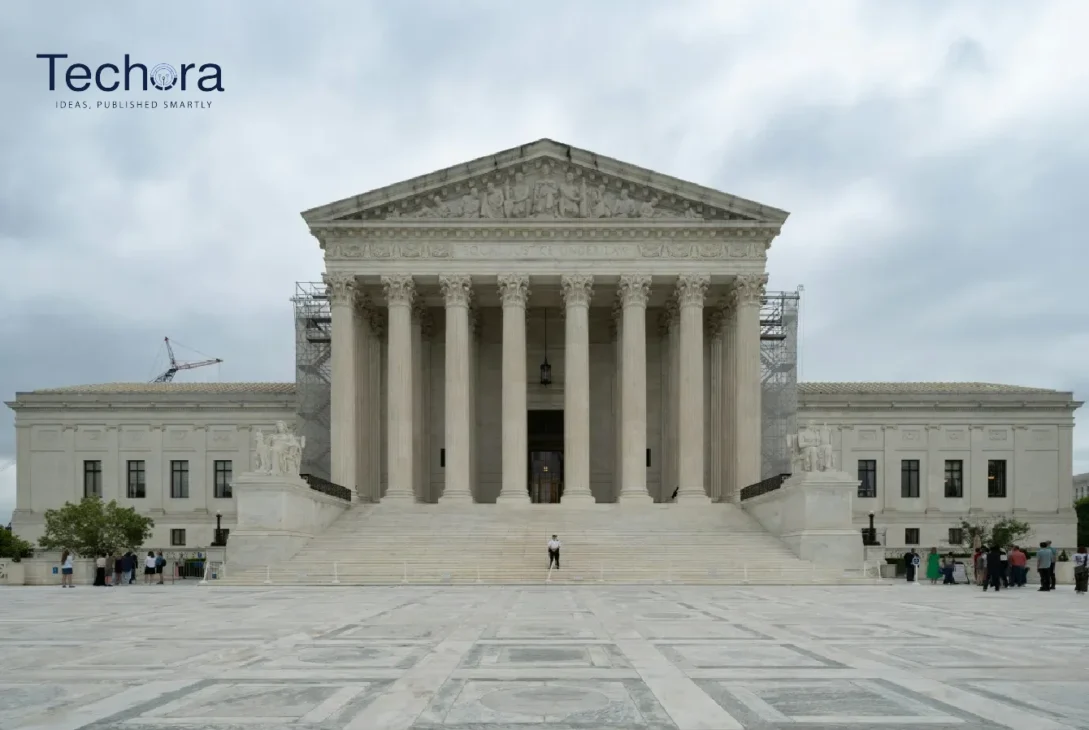
In a shocking breach that highlights the evolving nature of cybercrime, a hacker linked to a Supreme Court-related cyberattack reportedly posted stolen government data on Instagram. The incident underscores a troubling shift in how cybercriminals operate — not just stealing sensitive information, but publicly flaunting it on mainstream social media platforms. As government institutions struggle to modernize cybersecurity defenses, this case raises urgent questions about data protection, accountability, and the growing overlap between cybercrime and online attention culture.
The Main Concept: A High-Profile Breach Goes Public
Cyberattacks on government systems are not new, but what makes this incident alarming is where the stolen data surfaced.
Instead of dark web forums or encrypted messaging platforms, the hacker allegedly chose Instagram, a public social media platform with millions of daily users. The move transformed what could have been a quiet data breach into a highly visible security failure.
Posting stolen government data publicly:
- Increases reputational damage
- Accelerates data exposure
- Makes containment significantly harder
This incident demonstrates that cybercriminals are increasingly prioritizing visibility and notoriety alongside financial or political motives.
Explanation: What Data Was Compromised?
While officials have not disclosed every detail, reports suggest the stolen data included:
- Government documents
- Internal communications
- Potentially sensitive administrative records
Even if classified material was not involved, any breach tied to the Supreme Court raises national security and public trust concerns. Judicial institutions rely heavily on confidentiality, and any compromise undermines confidence in the rule of law.
Example: Why Social Media Is the New Cybercrime Stage
Traditionally, hackers leaked data through:
- Dark web marketplaces
- Anonymous paste sites
- Encrypted chat channels
Now, platforms like Instagram and X (formerly Twitter) are being used to:
- Gain rapid attention
- Pressure institutions
- Embarrass authorities publicly
By posting stolen data snippets or screenshots, hackers can trigger viral spread within minutes — long before authorities can respond or take content down.
The Risks of Public Data Leaks
1. Rapid Information Spread
Once sensitive data is shared publicly, it can be copied endlessly within minutes.
2. Loss of Institutional Trust
Citizens expect courts and government bodies to safeguard information.
3. Increased Threat of Follow-Up Attacks
Public leaks encourage copycat hackers seeking attention.
4. Legal and Safety Concerns
Exposed personal or internal data can endanger individuals involved in legal proceedings.
Mistakes That Enable Such Breaches
Weak Access Controls
Outdated authentication systems remain a major vulnerability in government IT.
Slow Incident Response
Public leaks often spread faster than takedown requests.
Underestimating Social Media Risks
Many institutions focus on network security but overlook how quickly data can be weaponized online.
Lack of Continuous Security Testing
Without regular audits and penetration testing, vulnerabilities remain unnoticed.
What This Means for Government Cybersecurity
This incident highlights a broader issue: government cybersecurity strategies must adapt to modern threat behavior.
Key lessons include:
- Security must extend beyond systems to reputation management
- Monitoring should include public platforms, not just internal logs
- Incident response plans must account for viral exposure
- Social media companies need faster coordination with authorities
Cybersecurity is no longer just a technical problem — it’s a public communication challenge.
The Role of Social Media Platforms
Platforms like Instagram face growing pressure to:
- Detect leaked sensitive data
- Respond faster to government takedown requests
- Improve moderation tools for non-traditional cybercrime
As cybercriminals increasingly exploit visibility, social media companies become unintentional battlegrounds in cybersecurity conflicts.
Conclusion
The case of a Supreme Court hacker posting stolen government data on Instagram marks a disturbing evolution in cybercrime tactics. What was once hidden in the shadows of the dark web is now unfolding in plain sight, amplified by social media’s reach. For governments, this is a wake-up call: cybersecurity is no longer just about preventing breaches, but about managing exposure in a hyper-connected world. Without stronger defenses, faster responses, and better platform cooperation, such incidents may become the new normal.