
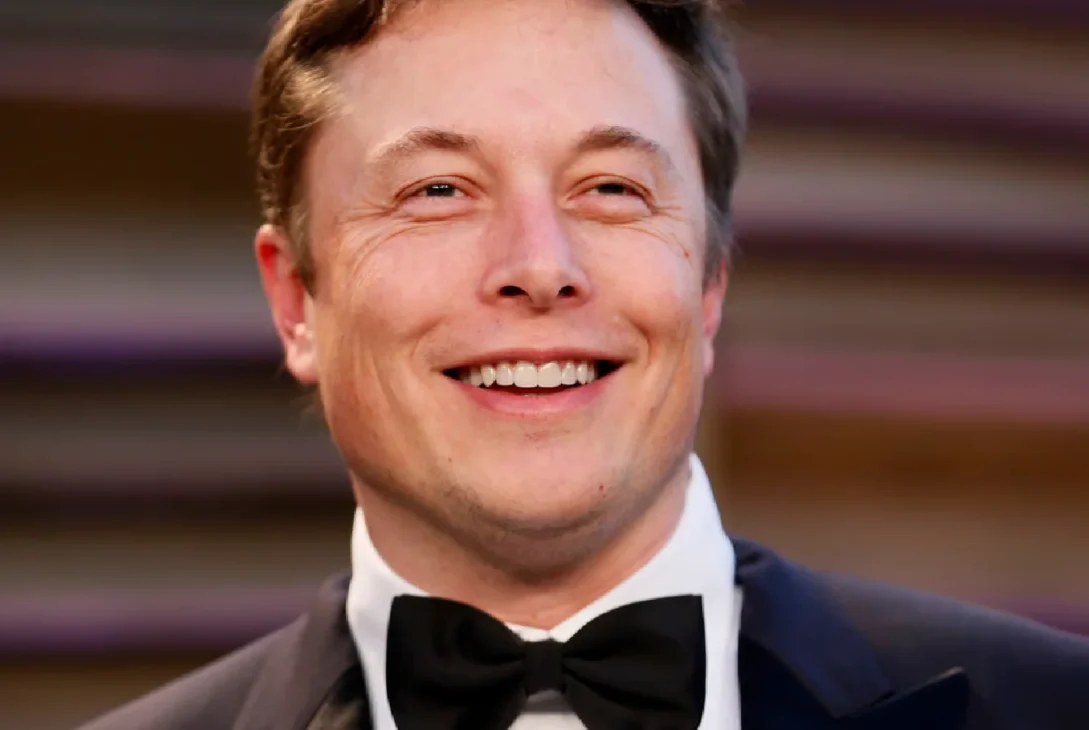
Elon Musk is no stranger to ambitious ideas, but his latest focus is pushing the boundaries of both space and cloud computing. Reports suggest that orbital data centers are becoming a serious priority for Elon Musk, signaling a future where data processing and storage could move beyond Earth’s surface.
The concept may sound futuristic, but with advances in satellite technology, launch capabilities, and AI workloads, orbital data centers led by Elon Musk are starting to look less like science fiction and more like a long-term strategy.
What Are Orbital Data Centers?
Orbital data centers are computing facilities placed in space, typically aboard satellites or space platforms, designed to process, store, and transmit data without relying entirely on Earth-based infrastructure.
Instead of routing massive datasets back to ground servers, data can be processed closer to where it’s collected — especially valuable for satellite imagery, communications, and real-time analytics.
The idea aligns closely with Musk’s broader vision of decentralization and space-based infrastructure.
Why Elon Musk Is Interested in Orbital Data Centers
Several factors are driving Musk’s interest in orbital data centers:
- Explosive growth in AI and cloud computing demand
- Rising energy and cooling costs of Earth-based data centers
- Latency issues for satellite and global communications
- SpaceX’s reusable launch systems reducing deployment costs
By combining SpaceX launch capabilities with Starlink’s satellite network, orbital data centers Elon Musk envisions could operate as an extension of global cloud infrastructure.
The Role of Starlink and SpaceX
Starlink already operates one of the largest satellite constellations in orbit. Integrating data-processing capabilities directly into this network could dramatically change how data moves around the planet.
Instead of satellites acting purely as relays, future systems could:
- Process AI workloads in orbit
- Filter and compress data before transmission
- Reduce reliance on ground-based data centers
This approach could be especially useful for Earth observation, defense, climate monitoring, and global internet services.
Energy and Cooling Advantages in Space
One of the biggest challenges for traditional data centers is heat. Massive server farms consume enormous energy for cooling alone. Space offers a unique advantage: extreme cold and unlimited access to solar energy.
Orbital environments could allow orbital data centers Elon Musk supports to operate more efficiently, using solar power and radiative cooling to manage heat without massive infrastructure.
Challenges and Risks Still Remain
Despite the promise, orbital data centers face serious hurdles:
- High upfront deployment costs
- Hardware maintenance limitations
- Radiation exposure to sensitive electronics
- Regulatory and orbital debris concerns
Failures in space are harder — and more expensive — to fix. Any large-scale orbital computing system would need exceptional reliability and redundancy.
Why AI Is Accelerating This Vision
AI workloads are becoming increasingly data-heavy and latency-sensitive. Processing data closer to its source is a major advantage, especially for applications like autonomous systems, satellite analytics, and real-time surveillance.
As AI demand continues to grow, orbital data centers Elon Musk is exploring could help relieve pressure on Earth-based infrastructure while opening new computing frontiers.
What This Means for the Tech Industry
If orbital data centers become viable, the implications would be massive:
- Cloud computing becomes truly global
- Reduced dependence on terrestrial infrastructure
- New competition for traditional data center operators
- Increased importance of space-based cybersecurity
Musk’s involvement alone is enough to push the idea from theoretical to investable.
Industry Reaction and Market Interest
While still early, the concept has already attracted attention from defense analysts, cloud infrastructure experts, and AI researchers. Many see orbital computing as a natural evolution as data generation increasingly originates in space.
With Musk’s track record of turning unlikely ideas into operational systems, skepticism is mixed with cautious optimism.
Final Thoughts
Elon Musk getting serious about orbital data centers signals a bold new direction for both space and cloud computing. While technical and regulatory challenges remain, the combination of SpaceX, Starlink, and growing AI demand makes the idea increasingly plausible.
If successful, orbital data centers Elon Musk champions could redefine how and where the world processes data — not just on Earth, but beyond it.