
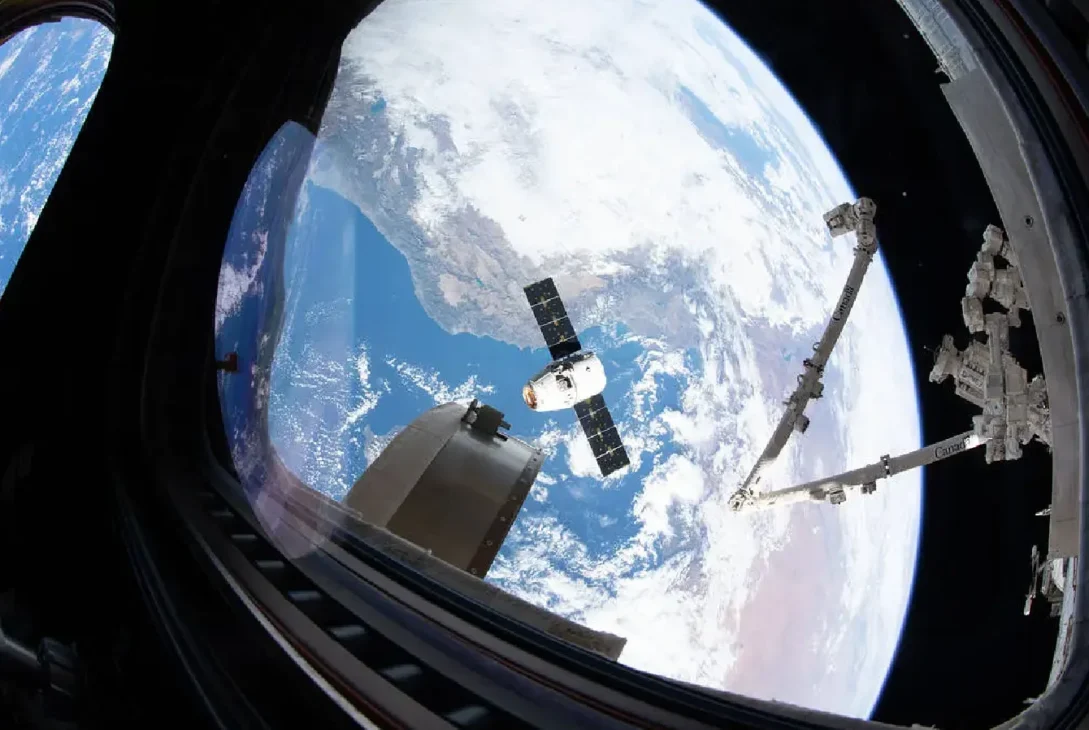
NASA’s carbon-tracking satellites play a critical role in monitoring climate change, measuring greenhouse gas emissions, and informing global environmental policy. Yet these vital space-based tools may soon face an uncertain future. Reports indicate that NASA’s carbon monitoring missions are at risk of funding cuts under a potential Trump administration policy shift, raising concerns among scientists, environmental groups, and international partners. At a time when climate data has never been more important, the possibility of dismantling or defunding these satellites sends a troubling signal about the future of U.S. climate leadership and scientific transparency.
The Main Concept: What Are NASA’s Carbon Tracking Satellites?
NASA’s carbon-tracking satellites are designed to measure carbon dioxide (CO₂) and methane emissions from space. These missions provide precise, global data that ground-based sensors alone cannot capture.
Key satellites include:
- OCO-2 (Orbiting Carbon Observatory-2)
- OCO-3, mounted on the International Space Station
- Earth-observing missions that track land use, forest loss, and atmospheric gases
Together, they allow scientists to:
- Identify emission hotspots
- Track fossil fuel pollution
- Measure how forests and oceans absorb carbon
- Verify national emissions reports
This data supports climate research, disaster response, and international climate agreements.
Explanation: Why These Satellites Matter
Carbon-tracking satellites are not just scientific tools — they are accountability instruments.
They help answer key questions:
- Where are emissions really coming from?
- Are countries meeting their climate commitments?
- How effective are climate policies?
Without satellite-based monitoring, emissions reporting relies heavily on self-reported national data, which can be incomplete or inaccurate. NASA’s systems provide independent verification, strengthening global trust in climate data.
Explanation: Why These Satellites Matter
Carbon-tracking satellites are not just scientific tools — they are accountability instruments.
They help answer key questions:
- Where are emissions really coming from?
- Are countries meeting their climate commitments?
- How effective are climate policies?
Without satellite-based monitoring, emissions reporting relies heavily on self-reported national data, which can be incomplete or inaccurate. NASA’s systems provide independent verification, strengthening global trust in climate data.
Why Trump’s Policies Put These Missions at Risk
Historically, Trump-era budgets proposed:
- Cuts to Earth science programs
- Reduced funding for climate research
- A shift toward lunar and Mars exploration over Earth monitoring
Carbon-tracking satellites fall squarely into climate-focused Earth science, making them vulnerable targets during budget negotiations. Critics argue these cuts are ideologically driven rather than evidence-based.
Why Trump’s Policies Put These Missions at Risk
Historically, Trump-era budgets proposed:
- Cuts to Earth science programs
- Reduced funding for climate research
- A shift toward lunar and Mars exploration over Earth monitoring
Carbon-tracking satellites fall squarely into climate-focused Earth science, making them vulnerable targets during budget negotiations. Critics argue these cuts are ideologically driven rather than evidence-based.
Potential Benefits of Maintaining Carbon Tracking Satellites
Despite political debate, the benefits are substantial:
1. Scientific Accuracy
Satellite data provides unbiased, global measurements unavailable through any other method.
2. Economic Value
Climate data supports agriculture, energy planning, insurance risk modeling, and disaster preparedness.
3. Global Leadership
NASA’s data underpins international climate science and reinforces U.S. credibility.
4. National Security
Climate instability affects food supply, migration, and geopolitical tensions — making climate data a security asset.
Common Mistakes in the Debate
Mistake 1: Treating Climate Monitoring as “Optional”
Climate data is often framed as a luxury rather than essential infrastructure.
Mistake 2: Assuming Private Companies Can Replace NASA
Commercial satellites exist, but their data is often proprietary, expensive, or less transparent.
Mistake 3: Separating Climate Science from Economic Impact
Ignoring emissions data today leads to higher costs from disasters, health impacts, and infrastructure damage later
Conclusion
NASA’s carbon tracking satellites are more than climate tools — they are a foundation of modern environmental accountability. Putting them on the chopping block risks weakening scientific transparency at a moment when the world needs reliable data the most. Regardless of political ideology, understanding what’s happening to Earth’s atmosphere is essential for economic stability, national security, and global cooperation. Cutting these missions may save money in the short term, but the long-term cost — in lost knowledge and increased climate risk — could be far greater.