
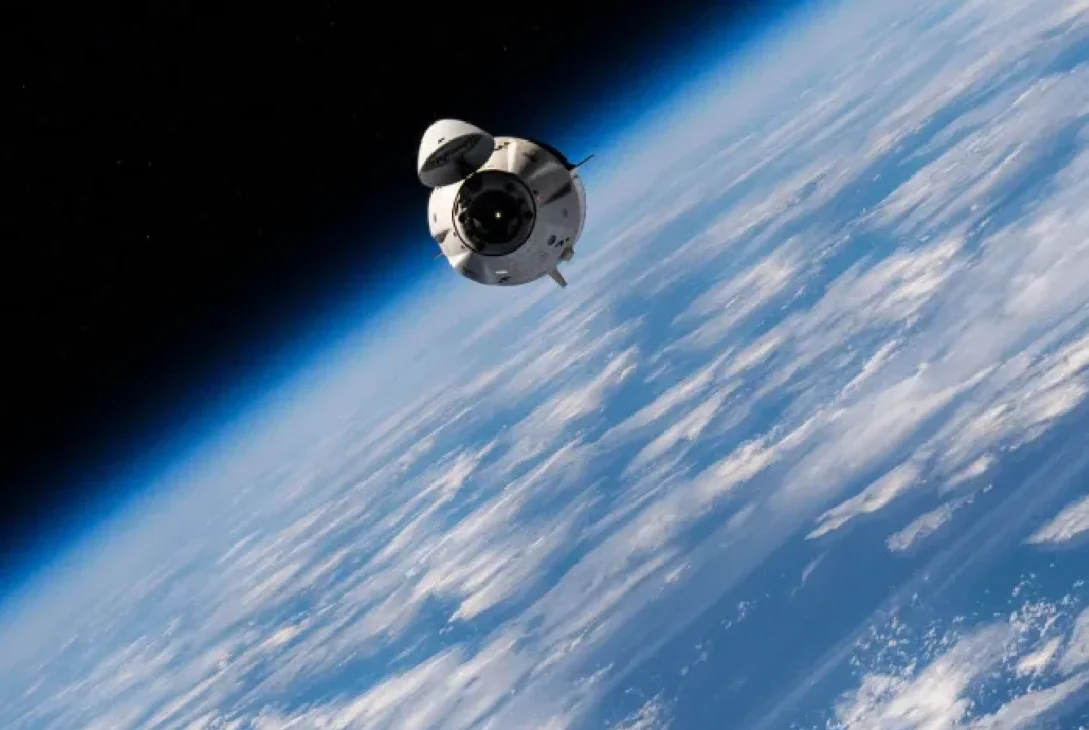
In a move that highlights how far space technology has evolved, NASA astronauts can now bring their phones with them on missions to the moon. What once seemed unthinkable — personal electronics in deep space — is becoming part of modern lunar exploration.
As NASA prepares for upcoming Artemis missions, smartphones are no longer viewed as distractions or risks, but as powerful tools that can support communication, research, and daily operations in space.
Why NASA Is Allowing Phones on Lunar Missions
For decades, personal devices were tightly restricted on space missions due to concerns around interference, security, and reliability. Today, those concerns have largely been addressed through hardened hardware, strict software controls, and improved spacecraft systems.
Allowing phones reflects NASA’s shift toward:
- Modern, user-friendly technology
- Reducing reliance on specialized hardware
- Enhancing astronaut efficiency
The decision shows how NASA astronauts bringing phones to the moon aligns with a broader modernization of space missions.
How Phones Will Be Used on the Moon
Astronaut smartphones won’t function like everyday consumer devices on Earth. Instead, they’ll be adapted for space use and tightly integrated into NASA’s systems.
Potential uses include:
- Accessing mission checklists and procedures
- Capturing photos and videos for documentation
- Communicating with crew members and mission control
- Supporting navigation and equipment diagnostics
Phones essentially act as compact, multi-purpose computers — replacing several standalone tools astronauts once carried separately.
Connectivity on the Lunar Surface
One of the biggest challenges is communication. Phones won’t rely on Earth-style cellular networks, but instead connect through NASA’s lunar communications infrastructure, including satellites and relay systems designed for deep space.
These systems ensure astronauts remain connected while operating on the lunar surface, inside spacecraft, or within future moon habitats.
This makes the idea of NASA astronauts bringing phones to the moon far more practical than it would have been even a decade ago.
Security and Safety Considerations
Security remains a top priority. Devices used on lunar missions will feature:
- Restricted software access
- Encrypted communication channels
- Hardened operating systems
- Limited app availability
Phones are thoroughly tested to ensure they don’t interfere with spacecraft electronics and can operate safely in extreme conditions such as radiation, temperature swings, and low gravity.
What This Says About the Artemis Program
The Artemis program isn’t just about returning humans to the moon — it’s about staying there. Long-term missions require tools that are intuitive, adaptable, and familiar to astronauts.
By allowing phones, NASA is signaling a future where space exploration feels less experimental and more operational. Everyday technology is becoming part of life beyond Earth.
From Apollo to Smartphones: A Huge Shift
During the Apollo era, astronauts relied on room-sized computers with less processing power than a modern smartphone. Today, astronauts can carry devices in their pockets that outperform early mission hardware by orders of magnitude.
The decision to let NASA astronauts bring phones to the moon highlights just how dramatically space technology has progressed.
What This Means for the Future of Space Travel
Phones on lunar missions may seem small, but they represent a much larger trend:
- More human-centered spacecraft design
- Faster access to information
- Easier training and onboarding for crews
As missions extend to Mars and beyond, familiar tools like smartphones could play an even bigger role in keeping astronauts productive and connected.
Public Reaction and Cultural Impact
The idea of astronauts taking phones to the moon has sparked curiosity and excitement online. For many, it makes space travel feel more relatable — a reminder that future explorers will still use familiar tools, even millions of miles from Earth.
It also opens the door to new ways of documenting and sharing space exploration with the public.
Final Thoughts
NASA allowing astronauts to bring their phones on lunar missions marks a subtle but meaningful evolution in space exploration. It shows confidence in modern technology and reflects a future where space travel blends cutting-edge science with everyday usability.
As the Artemis missions move forward, NASA astronauts bringing phones to the moon may become just another normal part of humanity’s return to deep space — proof that even on the moon, technology keeps us connected.