
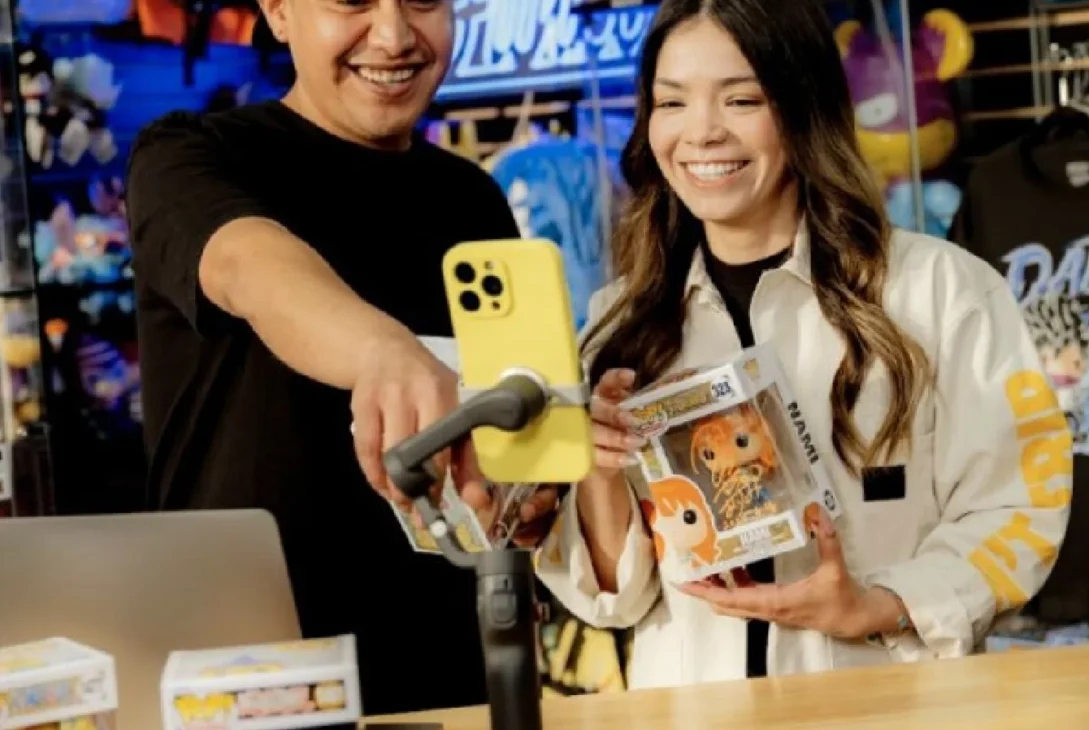
Live selling is no longer just a trend — it’s becoming a full-blown business movement across Europe. Once dominated by Asian markets, live selling in Europe is now gaining serious momentum as creators, influencers, and brands tap into livestream commerce to sell products in real time.
By combining entertainment, social interaction, and instant purchasing, live selling is reshaping how Europeans shop online — and opening the door to a new digital hustle.
What Is Live Selling?
Live selling blends livestream video with e-commerce, allowing hosts to showcase products, answer questions, and close sales instantly. Viewers can interact through comments, reactions, and live chats, creating a shopping experience that feels personal and engaging.
Unlike traditional online stores, live selling in Europe thrives on trust, authenticity, and real-time connection — factors that modern consumers increasingly value.
Why Live Selling Is Taking Off in Europe
Several forces are driving the rise of live selling across European markets:
- Growing creator and influencer economies
- Increased comfort with social commerce
- Demand for interactive shopping experiences
- Rising customer fatigue with static ads
European consumers are looking for more than just product listings. They want stories, demonstrations, and honest opinions — all of which live selling delivers in one session.
Social Platforms Powering Live Selling in Europe
Platforms like Instagram, TikTok, YouTube, and Facebook are becoming key drivers of live selling in Europe. Social networks have integrated shopping tools that allow viewers to purchase without ever leaving the livestream.
TikTok Live Shopping, in particular, has accelerated adoption among younger audiences, while Instagram Live continues to attract lifestyle, fashion, and beauty brands.
A New Hustle for Creators and Small Businesses
For creators, live selling offers more control and higher margins than traditional brand deals. Instead of relying solely on sponsorships, hosts can sell directly to their audience and earn in real time.
Small businesses also benefit by:
- Reducing marketing costs
- Building stronger customer relationships
- Testing products instantly
- Receiving live feedback
This makes live selling in Europe especially attractive to independent brands and solo entrepreneurs.
How Brands Are Adapting to Live Commerce
Established European brands are starting to experiment with live selling formats. Some partner with creators, while others build in-house livestream teams to demonstrate products and run limited-time offers.
The urgency created during live events — flash discounts, exclusive drops, and time-limited bonuses — often leads to higher conversion rates than traditional e-commerce campaigns.
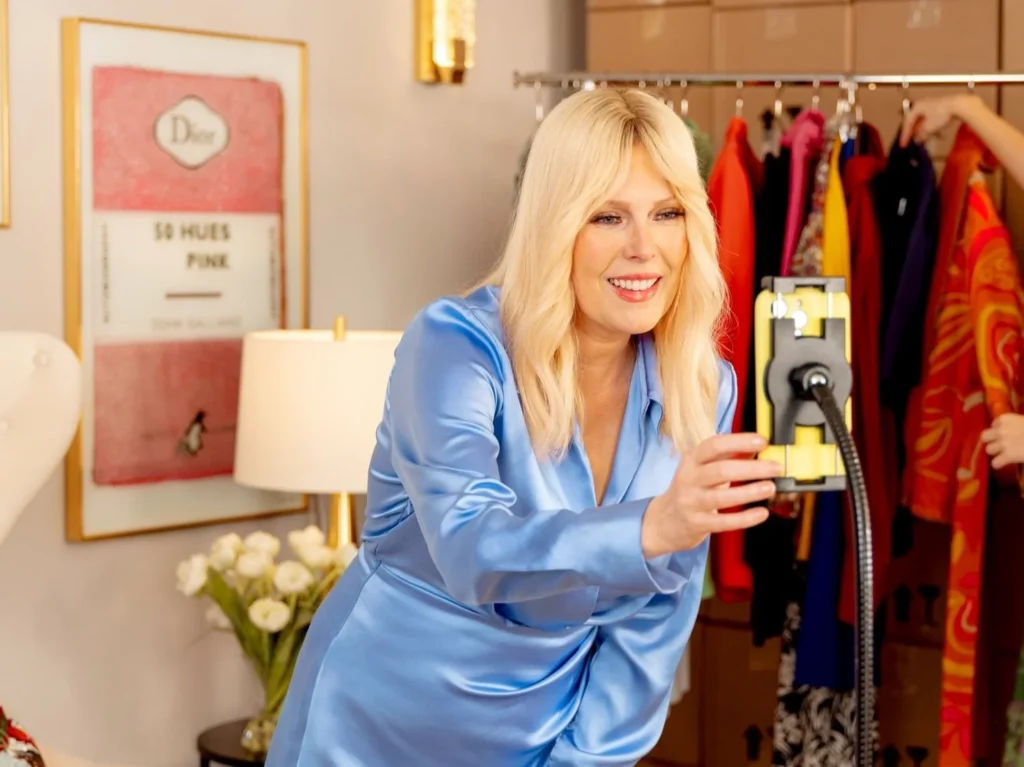
Challenges Still Facing Live Selling
Despite its growth, live selling in Europe is not without challenges:
- Language and cultural differences across countries
- Logistics and fulfillment expectations
- Platform regulations and data privacy rules
- Finding hosts who can sell authentically
Brands that succeed are those who localize content and focus on community rather than aggressive sales tactics.
What the Future Looks Like
As platforms improve tools and consumers become more familiar with livestream shopping, live selling in Europe is expected to evolve into a mainstream sales channel. AI-powered recommendations, better analytics, and seamless checkout experiences will further accelerate adoption.
For many entrepreneurs, live selling is no longer a side experiment — it’s becoming a primary income stream.
Final Thoughts
Live selling is redefining online commerce across Europe by turning shopping into an interactive experience rather than a transaction. With creators leading the charge and brands following closely behind, live selling in Europe is quickly becoming the next big digital hustle.
Those who adapt early, build trust, and focus on authentic engagement are likely to benefit the most as this trend continues to grow.